- Top 10 FAQs
- What is the minimum cost of a destination wedding in Rajasthan?A mid-range wedding (150 guests) ranges from ₹50 Lakhs to ₹80 Lakhs.
- What is the average cost of a luxurious destination wedding in Rajasthan?A luxurious destination wedding in Rajasthan (150 guests) typically starts at ₹2 Crore, with options costing ₹10+ Crores.
- Which city in Rajasthan is best for a destination wedding?Each major city offers a unique aesthetic and set of logistics: Udaipur: Renowned for romantic lake views, a small world known touristic city with historical charm, floating palaces, and intimate luxury. World's best Hotels like Oberoi Udai Vilas, The Leela and India's first Raffles are in Udaipur. Jaipur: Best for grand heritage forts, large guest capacities, and superior airport connectivity. Falls under Golden Triangle Itinerary and has a larger eco system for Destination Weddings. Jodhpur: Famous for dramatic fort backdrops (like Mehrangarh) and regal venues like Umaid Bhawan. Has an Airport but not many options in terms of the Hotels. Jaisalmer: Popular for desert sand dunes, golden fort aesthetics, and unique luxury tent setups. Accessibility is a challenge but one of the only logistically developed Desert Destinations in India for weddings.
- What is the best month/season to have a wedding in Rajasthan?Weather impacts guest comfort significantly in the desert region. Peak Season: November to February offers pleasant, cool weather for daytime and evening functions. Shoulder Season: October and March (slightly warmer, but offers better deals). Off-Season: April to September (extreme heat and monsoon, though venues offer heavy discounts).
- Who pays for guest travel and accommodation in a destination wedding?Standard Practice: Hosts typically cover room stays and local transport within Rajasthan, while guests are usually asked to book their own flights/train tickets to the host city (though full travel coverage depends on the family's overall budget). It is also very common for overseas guests to pay for their own stay. Host families offer discounted stay rates in such cases.
- How far in advance should we book a venue in Rajasthan?Heritage venues and palace hotels have limited dates and high demand. Timeline: Top venues in Jaipur, Udaipur, and Jodhpur are often booked 10 to 12 months in advance, especially for peak winter wedding dates. The most auspicious dates may even get sold out 15 months in advance.
- Are external vendors (caterers, decorators, DJs) allowed at palace hotels?Many heritage properties have strict guidelines to protect their historic structures. Most top properties require using their in-house F&B (catering), while planners, decor, and vendors can be brought in externally often subject to venue guidelines, sound curfews, and royalty fees.
- How many guests can Rajasthan heritage properties accommodate on-site?Authentic heritage havelis and palace hotels often have limited rooms on-site (30 to 100 rooms). For larger guest lists (200+ guests), couples often do a "room buyout" across neighboring partner hotels. The actual historic palaces and forts converted into hotels have smaller capacities, while newly built palatial hotels, like the Fairmont Palace in Udaipur and Jaipur, are larger.
- What are the sound curfews and alcohol licensing rules for outdoor events in Rajasthan?Standard government regulations enforce an outdoor loudspeaker curfew at 10:00 PM, after which celebrations must move into indoor ballrooms or soundproof venues. Special liquor licenses (FL-4) are also required for serving alcohol at event spaces. This license is generally obtained by the Hotels. Besides that, Licenses issued from Musical Royalty Societies like PPL and Novex have to be procured to play Music in the Events.
- Do we need to hire a local wedding planner in Rajasthan?Almost all destination couples opt for a Rajasthan-based or experienced destination wedding planner to handle local permissions, vendor negotiation, transport logistics, and guest hospitality management. Having a local Planner also helps in speeding up the process and taking care of Leg Work during planning without adding an extra cost.
- Planning a Destination Wedding
- How much do destination wedding planners charge in Rajasthan?Most planners charge a flat management fee ranging from ₹3 Lakhs to ₹15+ Lakhs for mid-to-high tier weddings, or 10% - 15% of the total wedding budget for large-scale luxury events. There could be an onsite execution related fee as well related to extended Team and their Travel, Lodging & Boarding.
- Is it better to hire a local planner from the destination or a planner from our home city?Local Planners: Have direct vendor relationships, local permissions clout, and lower travel costs for their team. While, Home-City Planners offer easier face-to-face coordination during pre-wedding prep, but require covering their travel and lodging costs to the destination. They may also not have detailed insights of the Destination and local dynamics.
- What exact services are included in a full-service destination wedding planner package?Packages usually cover venue sourcing, vendor negotiations, RSVP management, logistics/airport transfers, decor design, setup coordination, guest hospitality desks, and day-of execution. Experienced planners go a step further to manage communication between all stakeholders, personalisation, experience curation and detail-oriented planning to cover micro-level aspects.
- On average, how many weddings does a destination wedding planner take on each year?While the planners who do not deal with personalised weddings and specialise into standard wedding arrangements (mostly RSVPs, Hospitality and onsite coordination) could take up to 40-50 weddings a year and sometimes more than two weddings at the same time, the Planners who expertise into curating experiential weddings which require lot of attention to details, they take up maximum of 10 Weddings in a year and do not pursue more than a wedding in a Week.
- How to check a wedding planner's authenticity?Do not just rely on pictures shown on the Instagram Pages or the Reviews on Google, talk to the preferred planners one on one to understand their style of working, how process oriented they are, the communication and how comfortable you feel working with them.
- Planning a Destination Wedding with US
- What is it like to plan a wedding with us?At Regal Weddings, planning a wedding is about creating a thoughtfully planned experience where every decision is made with purpose and every detail is connected. From your first conversation with us to the final farewell, we guide you through every stage of the planning process , from understanding your vision and selecting the right vendors to managing guest experiences and event execution. Our role is to bring structure to the entire journey, ensuring that every conversation, decision, and detail moves in the right direction while you spend your time creating memories with your loved ones rather than coordinating the process.
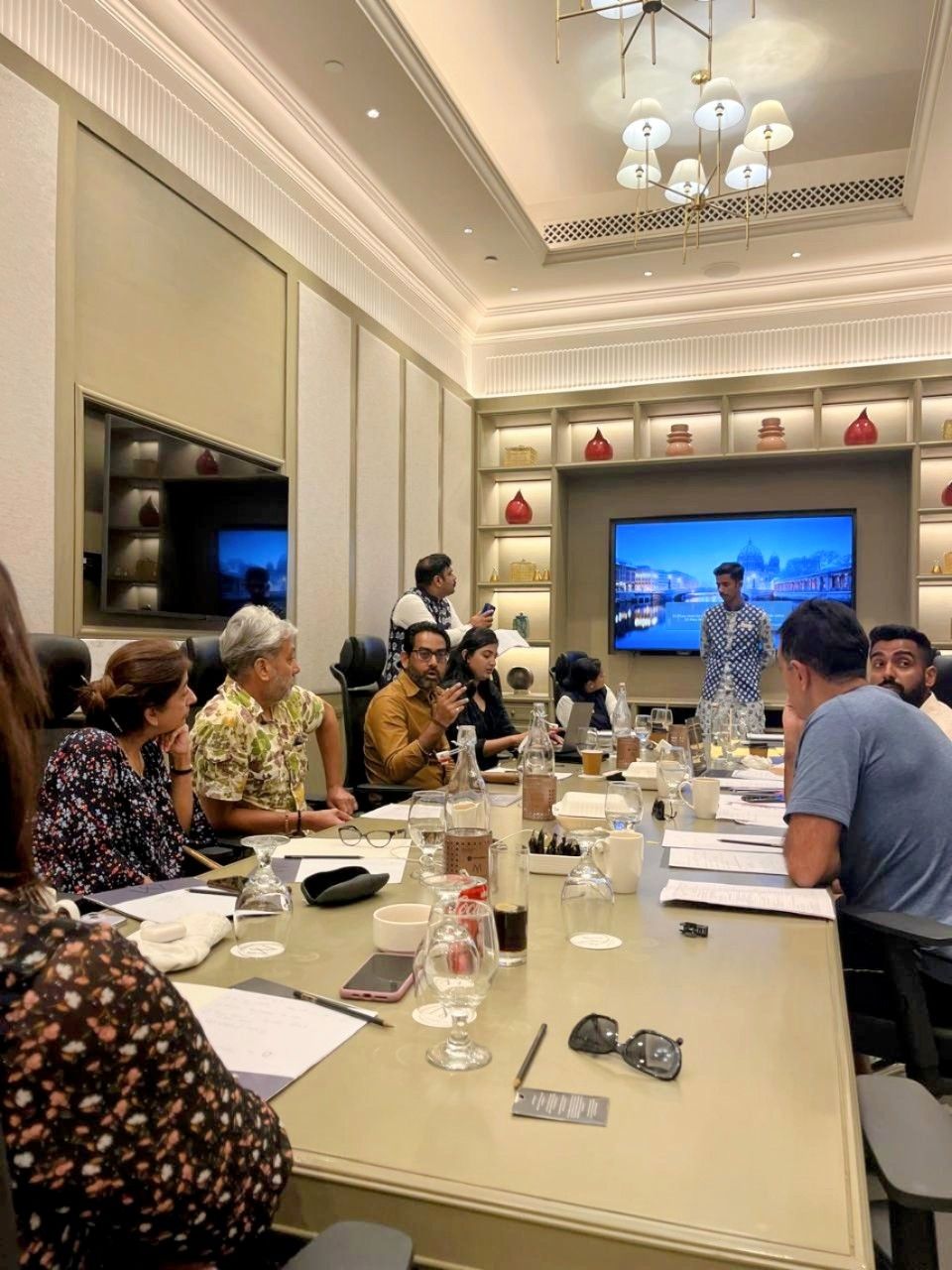
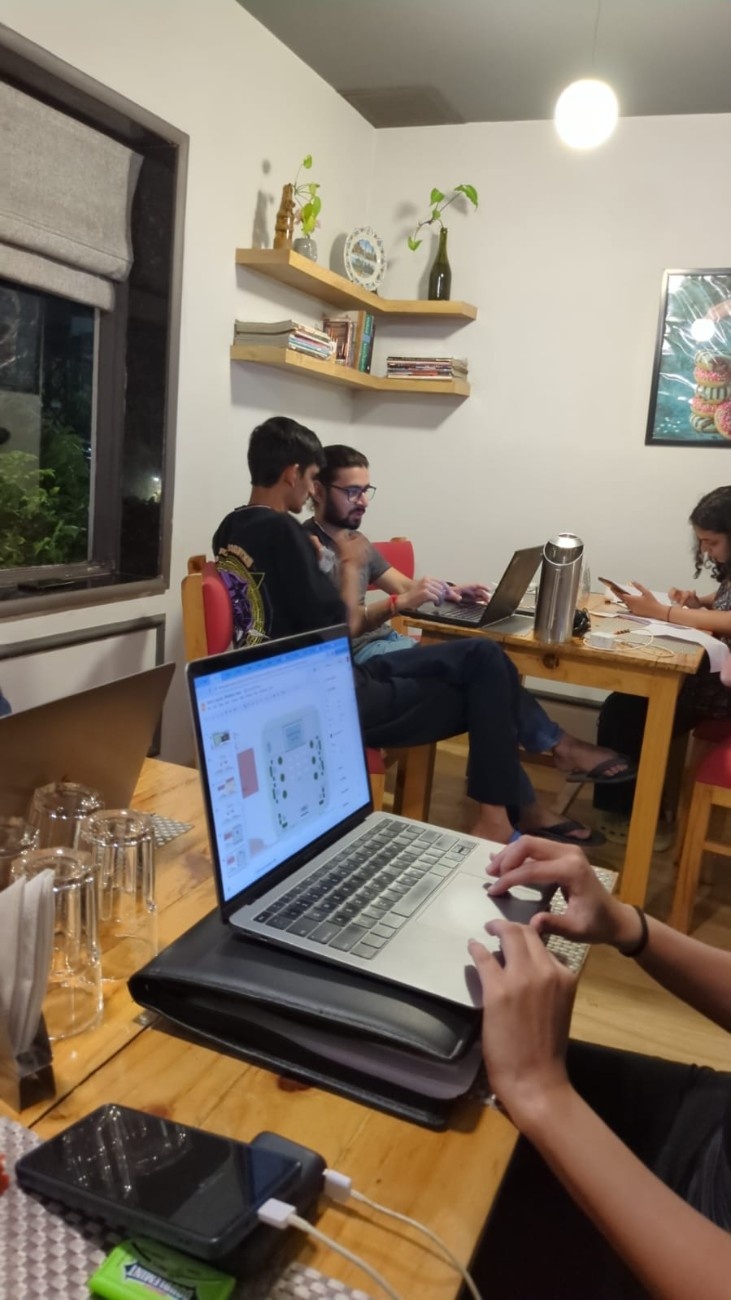
- How does our planning journey work?A destination wedding comes together through hundreds of decisions, but every decision has its own ideal timeline and process. We ideally take 10-12 months to plan a destination wedding, allowing every detail to be thoughtfully considered and executed at the right stage of the journey. The process begins with understanding your vision, guest profile, budget, preferred destinations, and venue requirements. As the planning progresses, we build every layer of the celebration - from creating a broad budget, creating your wedding website, managing guest RSVPs, developing timelines, and coordinating rooming lists to venue management, vendor selection, décor planning, event concepts, transportation logistics, menu tastings, and overall production planning. Every detail is planned systematically to ensure a seamless experience for both you and your guests.
- What happens during the final months before the wedding?In the final months, we move from planning into execution mode by creating detailed timelines, vendor briefings, guest movement plans, and function-wise checklists, ensuring that every hotel department, vendor, and team member is working from the same plan when the celebrations begin.
- How do you stay connected with couples throughout the planning process?We stay connected through WhatsApp, calls, emails, virtual meetings, and shared planning documents, ensuring every update, approval, and decision is recorded and accessible throughout the journey.
- Will we have a dedicated wedding planner throughout our journey?Yes. You will have a dedicated lead planner who remains your primary point of contact from the beginning of the planning journey until the final event. Along with your lead planner, our specialised team manages different aspects of the wedding, including guest hospitality, vendor coordination, production, timelines, and on-ground execution. This ensures you always know who is handling each part of the planning process and have the right support at every stage.
- How many team members will be present during our wedding?Every wedding has different requirements, so our team strength is planned according to your guest count, number of events, venue layout, production scale, and hospitality needs. From planning meetings to on-ground execution, we assign the right number of team members required to manage guest experiences, vendor coordination, timelines, and event flow, ensuring every area has dedicated attention throughout the celebrations. For a destination wedding with approximately 150 guests, the planning and execution team typically comprises 25 - 30 members, depending on the scale of production and the operational requirements of the celebrations.
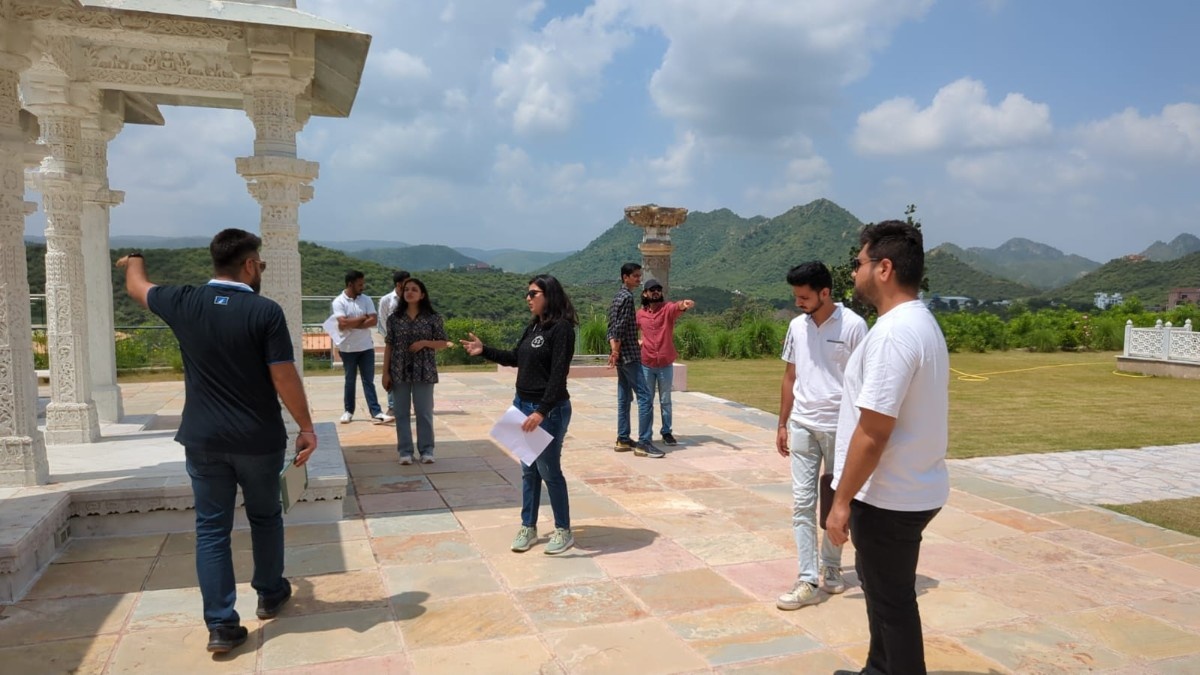
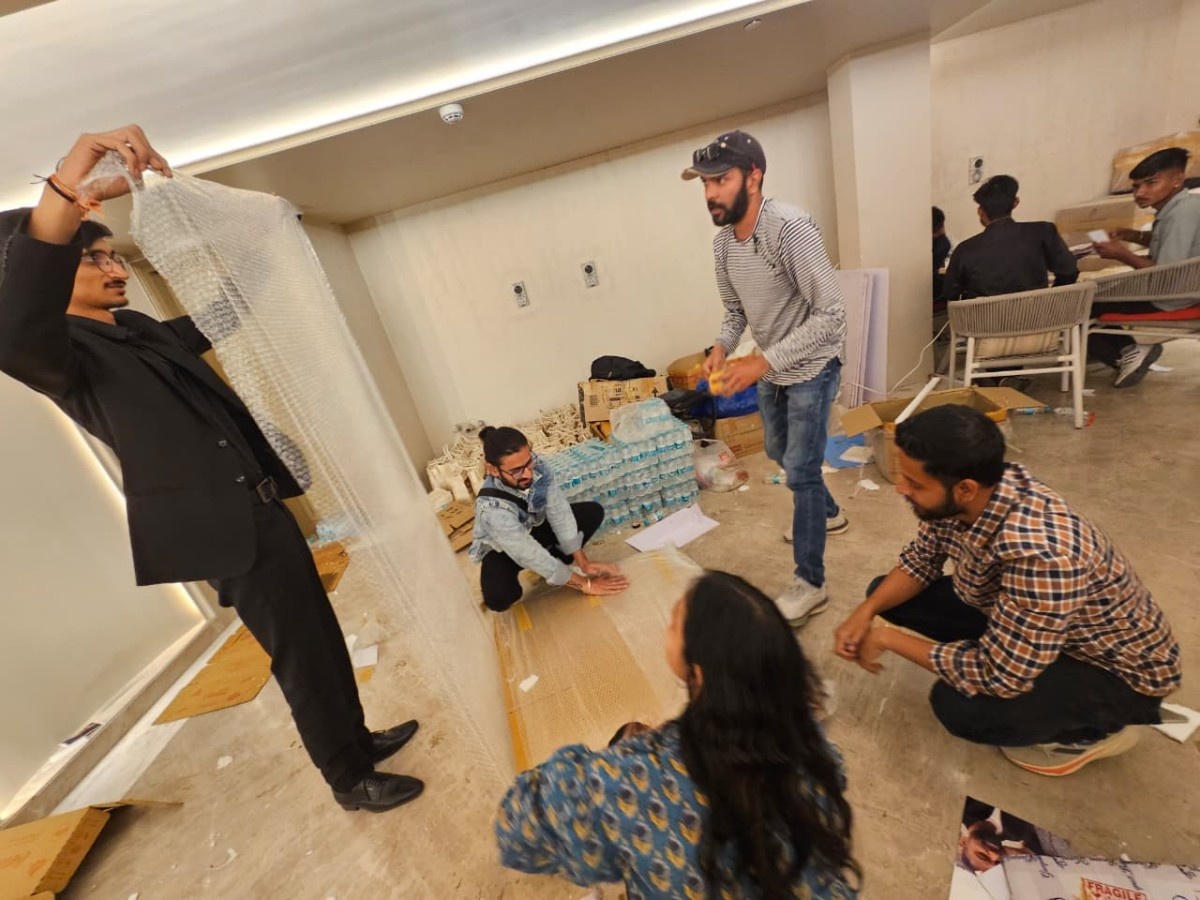
- How do you ensure every event runs according to plan?Every celebration is supported by detailed execution documents, function-wise timelines, vendor schedules, production plans, and internal team allocations. Before each event, our team conducts final walkthroughs and coordination meetings with the hotel and vendors. From décor setup timings to artist movements and guest experiences, every element is reviewed so every person involved understands their role, timing, and responsibilities.
- How do you handle last-minute changes or unexpected situations?No matter how detailed the planning is, weddings can always bring unexpected moments, whether it is a timeline change, weather adjustment, vendor requirement, or a last-minute guest request. With over 23 years of experience, we have developed the ability to anticipate challenges, think on our feet, and find effective solutions in real time. From sudden weather changes and setup modifications to bridal makeup delays, last-minute vendor requirements, guest medical emergencies, unexpected venue-related changes close to the wedding day or health-related situations involving the couple, our team knows how to respond with calmness and precision. Through quick decision-making, clear communication, and seamless coordination with all teams involved, we ensure that challenges are managed efficiently while keeping the wedding experience smooth and uninterrupted for the couple and their guests.
- Hotel Booking & Contracting
- What does a "hotel buyout" mean?A full property buyout means booking 100% of the hotel’s rooms and event areas exclusively for your guests.
- What is the average food & beverage (F&B) per-person cost at hotel venues?Mid-Range / Heritage Havelis: ₹1,800 to ₹3,500 per person / per meal. Luxury 5-Star Properties: ₹4,500 to ₹8,500+ per plate / per meal (plus taxes). Note: Hotels usually require booking a minimum meal package (e.g., 2 breakfasts, 2 lunches, 2 high teas, and 2 gala dinners) per guest stay.
- Can we book additional rooms at nearby hotels if the primary venue runs out of space?Managing overflow guests when host venues have limited room counts. Yes, this is standard practice called "overflow rooming." Couples book the primary heritage hotel for family and reserve secondary hotel/s nearby for additional guests, arranging shuttle buses or Cars for local transit.
- Are taxes (GST) included in hotel room and banquet quotes in India?Hotel quotes rarely include taxes up front. Hotel accommodation and catering attract an 18% GST (Goods and Services Tax), which adds significantly to the total invoice.
- What is the minimum room block commitment (Minimum Room Guarantee) required by hotels?During peak wedding season (November–February), high-end hotels require a 100% non-refundable room lock or a minimum 2-night block for all rooms.
- Do hotels charge extra fees for external decorators, sound setups, or photographers?Most hotels which rely on Weddings for their revenue, do not charge royalty fees / vendor entry fees.
- What are the rules regarding corkage fees and outside alcohol at hotels in Rajasthan?Hotels insist on buying directly from their liquor menu. Additionally, temporary event liquor permits (FL-4 license) must be secured. Legally, Hotels have to use the Liquor procured from RSBCL approved outlets and sell that inside the premises. However some Hotels charge a corkage fee per bottle (or per head) if you bring outside alcohol (from RSBCL approved outlets) and they allow this Liquor to be served at independent Venues but not at Hotel's Restaurant or Bar.
- What is the standard payment and cancellation policy for booking a wedding hotel?25%–30% advance deposit required upon signing to block dates. 50% due 3–6 months prior to the event. 100% balance cleared 30 to 45 days before the event. Peak-season wedding deposits are almost universally non-refundable while for Non-Peak dates, hotels may allow to re-schedule the dates and use the deposits.
- Do hotels in Rajasthan offer complimentary rooms for the bride and groom?When booking a large room block or full buyout, hotels typically throw in a complimentary upgraded bridal suite for 2 nights along with basic welcome drinks or a massage voucher for the couple. There could be many such deal sweeteners that are part of negotiation.
- Do hotels provide laundry and ironing services for wedding guests?Most hotels offer laundry and ironing services as paid amenities. Some may have fixed laundry or Ironing packages for wedding groups, but these services are generally not provided on a complimentary basis.
- How does the soft beverages package work during the events?Hotels typically offer a soft beverage package on a per person per event basis, Usually Costing ₹450–₹500 per person, per event. These usually include a selection of soft drinks, packaged juices, mineral water, and mixers served throughout the event. Premium beverages or customized beverage stations may attract additional charges.
- Where does the family stay before the wedding events begin?During the peak wedding season, hotels generally do not offer pre-event rooms, as they expect full property buyouts on auspicious dates. As a result, the bride's and groom's families often stay at a nearby hotel for a night or two before the wedding and move into the wedding venue once the reserved room block officially begins.
- Vendors & Service Providers
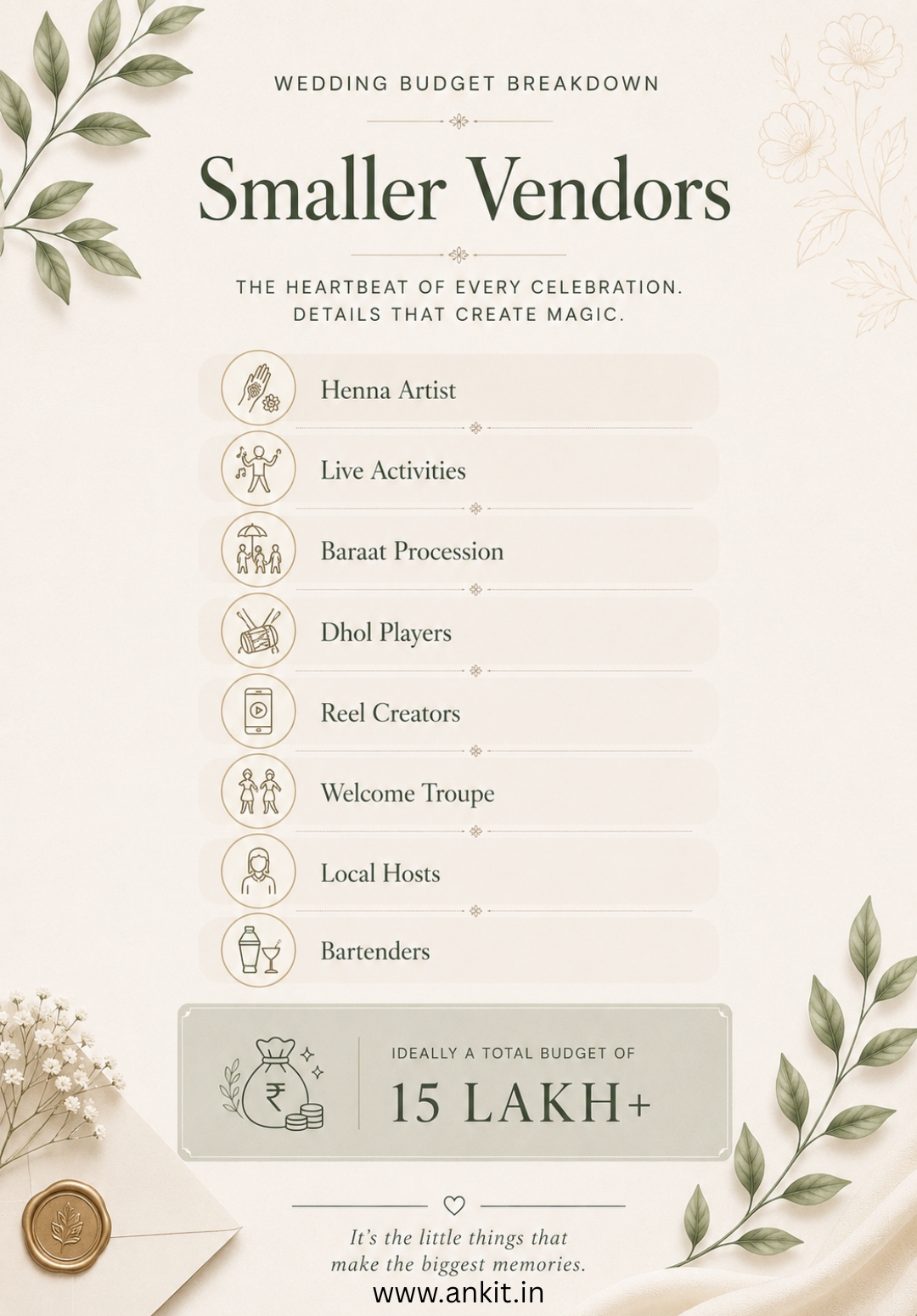
- What vendors are required for a destination wedding?A destination wedding involves multiple teams working together to create a complete guest experience. The vendors required depend on the scale, location, traditions, number of events, and overall vision of the celebration. Primary vendors generally include décor vendors, photographers, cinematographers, caterers, bartenders, bridal makeup artists, DJs, emcees, pandit ji (priest). Secondary vendors help enhance the overall guest experience and add personalized elements to the celebrations. These may include welcome troupes, guest makeup artists, mehndi artists, live entertainment artists, choreographers, invitation and stationery designers, wedding website designers, gifting vendors, DJ trucks, and other experience-based partners. The important part is not only selecting the right vendors but ensuring that every team works seamlessly together, follows shared timelines, and understands how their role contributes to the overall wedding experience.
- How do you select the right wedding vendors?The right vendor is not always the most popular or the most expensive option, it is the one that aligns with your vision, expectations, budget, and way of celebrating. Before finalising any vendor, couples should evaluate their previous work, experience with similar weddings, reputation, communication style, team strength, flexibility, understanding of requirements, and ability to execute at the chosen destination. It is always advisable to work with established and reliable vendors who have a proven track record, transparent pricing, and a fair approach towards costs. A good vendor should not only create something beautiful but also understand the practical aspects of a live wedding environment, being adaptable to changes, responsive throughout the planning process, and flexible enough to collaborate with other teams to deliver a seamless celebration.
- How early should wedding vendors be booked for a destination wedding?The timeline depends on the wedding date, destination, and vendor category. Some vendors, such as photographers, makeup artists, entertainment teams, and décor partners, are often booked many months in advance due to limited availability. Ideally, key creative partners should be finalised once the venue and wedding dates are confirmed. This allows enough time for discussions, planning, revisions, and coordination rather than making decisions closer to the wedding date under pressure.
- How do you ensure wedding vendors are reliable?Reliability comes from more than just looking at a portfolio. We help couples assess a vendor’s experience with destination weddings, professionalism, communication process, team structure, execution capabilities, and ability to handle unexpected situations. A dependable vendor understands the importance of timelines, communicates clearly, has a well-prepared team, and recognises that a wedding involves seamless coordination with multiple professionals working together simultaneously. Beyond creativity, the ability to execute consistently and adapt when required is what makes a vendor truly reliable.
- Can couples bring their own wedding vendors?Yes, couples can choose their own vendors based on their preferences, relationships, or previous experiences. However, when bringing external vendors to a destination wedding, it is important to check venue policies, travel requirements, accommodation needs, and coordination expectations. The key is ensuring that all vendors, whether selected personally or recommended by planners can work together within the same timeline and execution plan.
- How much time should be allocated for a wedding priest (Pandit Ji) during the ceremony?The time required for a priest-led wedding ceremony depends on the traditions being followed, the number of rituals included, and the level of detail the couple and family wish to incorporate. Typically, a Vedic ceremony can take anywhere between 1 to 1.5 hours, while an English ceremony generally takes around 20 to 30 minutes. When planning the wedding timeline, it is important to discuss the sequence and duration of rituals with the priest in advance, while also accounting for family participation, photography moments, guest movement, and transitions to the next celebration.
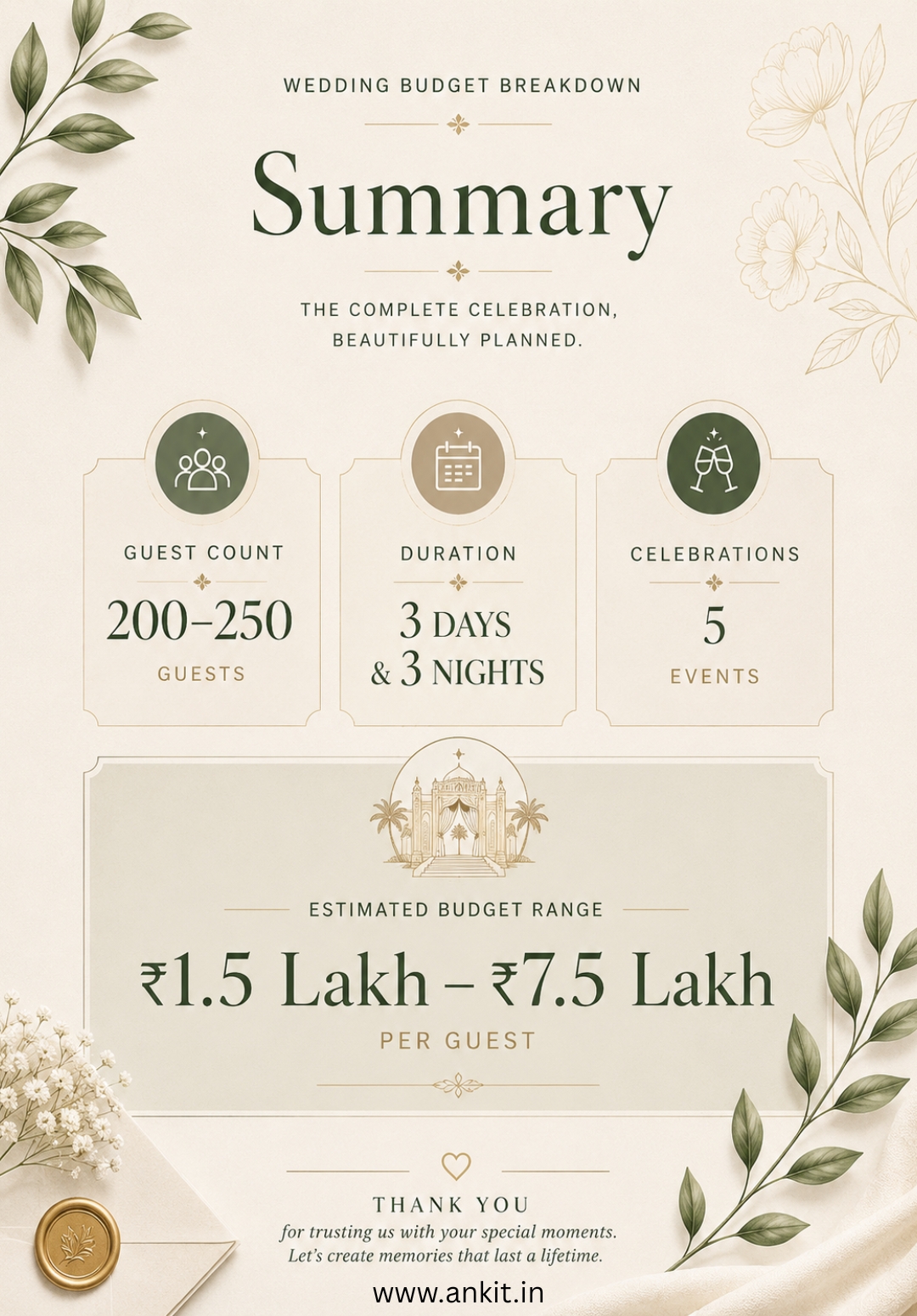
- How many photographers and cinematographers are needed for a destination wedding?The required team size depends on the number of guests, number of functions, venue size, and the type of coverage expected. For a multi-day destination wedding, the team usually needs to capture more than just ceremonies including guest interactions, décor details, getting-ready moments, entertainment, and candid experiences. The right team size ensures important moments are captured from different perspectives without missing the smaller details. For a destination wedding with approximately 200-250 guests, a team of around 10-12 photography and cinematography professionals is generally recommended to capture both stills and films while ensuring comprehensive coverage across all events.
- What questions should couples ask before booking a wedding photographer?Before finalising a photographer, couples should understand their photography style, team size, experience with destination weddings, deliverables, editing timelines, album details, drone coverage, backup arrangements, and overall working process. It is important to discuss how they approach storytelling, whether they focus mainly on posed photographs or also capture emotions, guest interactions, and spontaneous moments. Couples should look beyond an Instagram profile and review the photographer’s complete portfolio from a single wedding to understand their consistency, storytelling ability, and approach throughout the entire celebration.
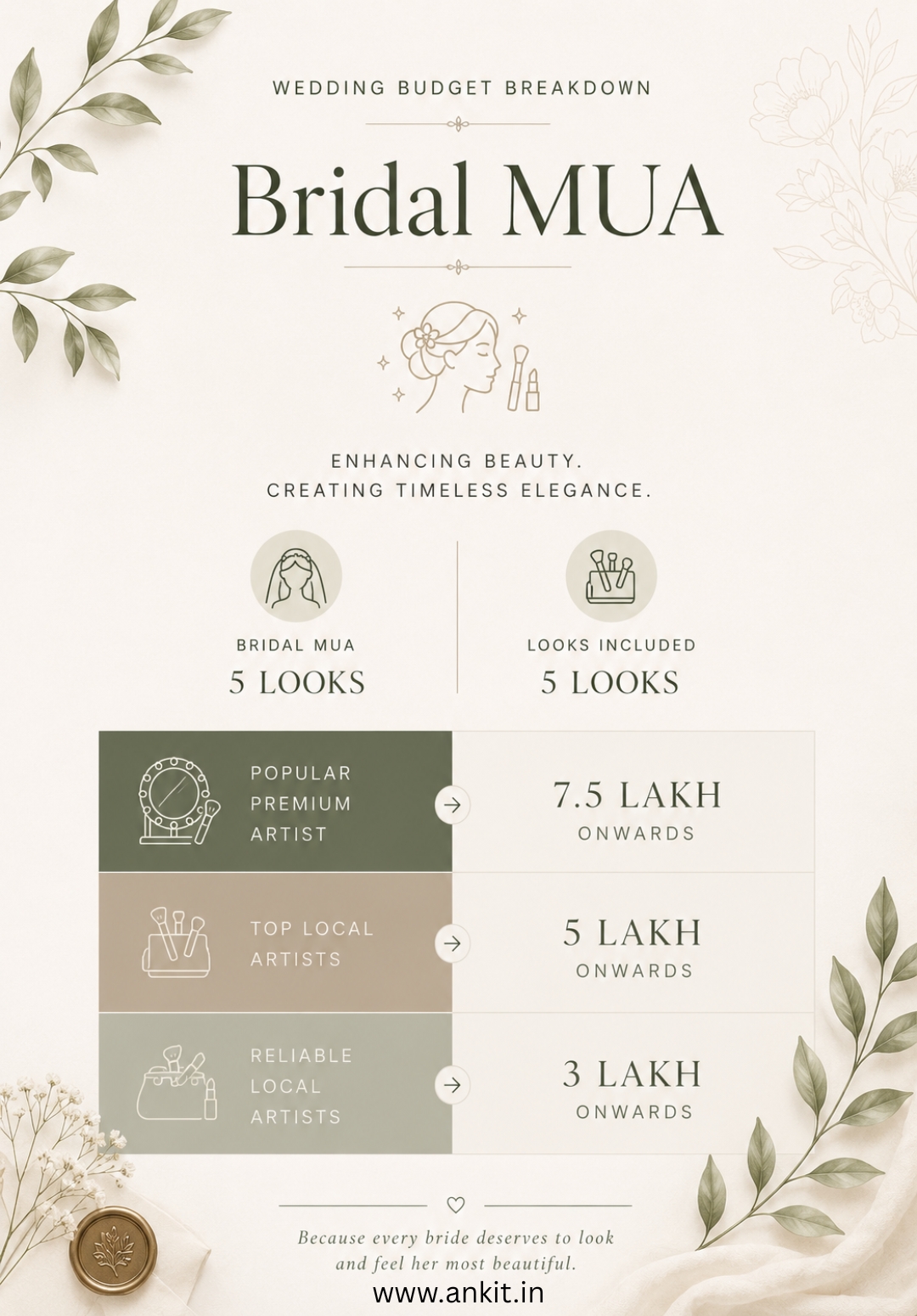
- How much time should be kept for bridal makeup and getting ready?Bridal preparation requires more planning than just the makeup application. The timeline depends on the bridal look, outfit complexity, jewellery, hairstyle, number of outfit changes, and photography requirements. Generally, bridal makeup can take around 2-3 hours, depending on the type of look, hairstyle, draping, and level of detailing required. Additional time should be planned for jewellery, outfit changes, getting-ready photographs, family portraits, and a comfortable transition from the preparation area to the ceremony venue. Keeping sufficient buffer time ensures that the bride can get ready comfortably without feeling rushed and allows the team to manage the wedding timeline smoothly.
- What should couples ask before booking a makeup artist?Couples should discuss the artist’s signature style, products used, trial availability, team size, time requirements, travel arrangements, and experience managing bridal and family requirements. Apart from the final look, it is equally important to understand how the artist manages timelines, especially when multiple ceremonies and early schedules are involved.
- How many mehndi artists are required for a destination wedding?The number of mehndi artists required depends on the guest count, event duration, design preferences, and whether mehndi is planned only for the bride or also for family and guests. For gatherings of up to 100 female guests, around 5 mehndi artists are generally recommended to ensure smooth guest flow, while 2-3 dedicated artists can be assigned separately for the bride depending on the complexity of the bridal mehndi design. Having an adequate number of artists helps reduce waiting time and allows guests to enjoy the experience rather than spending a significant part of the function waiting for their turn.
- What should couples ask before booking a mehndi artist?Couples should discuss the artist’s previous wedding designs, ability to personalise designs, preferred design style, references, expected duration, number of artists required, setup requirements, travel arrangements, and guest mehndi planning. It is also important to understand how the artist and their team present themselves at the event, their professionalism, punctuality, and ability to coordinate smoothly with the overall wedding setup to ensure a comfortable experience for the bride and guests.
- What should be considered before booking a DJ?A DJ should be selected based on more than just popularity. Couples should consider the DJ’s experience, music style, ability to read the audience, understanding of different event formats, and capability to create the desired atmosphere. Before finalising a DJ, it is important to have a detailed conversation to discuss your music preferences, favourite genres, event expectations, and the kind of energy you want to create. This helps ensure that the DJ’s style aligns with your vision and that they can curate the right experience for your guests.
- How are multiple wedding vendors coordinated?A wedding involves several teams working together at the same time, and coordination becomes one of the most important parts of execution. Clear timelines, defined responsibilities, regular communication, vendor briefings, and detailed planning documents help ensure that every team understands when they need to arrive, what they need to deliver, and how their work connects with other vendors.
- How are wedding vendor payments and contracts managed?Vendor management includes understanding proposals, deliverables, timelines, payment schedules, cancellation terms, and all important agreements before finalising any partnership. At Regal Weddings, we ensure that every vendor engagement is supported by clear contracts and defined booking terms, outlining deliverables, timelines, payment schedules, and other important conditions. All vendor payments are coordinated and managed by our team, ensuring a smooth and organised process for couples while maintaining transparency and accountability throughout the planning journey
 Instagram
Call Us
Instagram
Call Us